By Keller Williams NYC
Building a home library in New York comes with a unique challenge, since space is often the first thing our clients ask about. We work with buyers and sellers across a wide range of homes, from houses with dedicated rooms to co-ops and condos where every square foot counts. A home library doesn't have to mean a grand room with floor to ceiling shelves, it can be a quiet corner, a hallway, or a single well-designed wall. This guide walks through how to build a home library that fits your space, whether you have a full room to work with or just one wall.
Key Takeaways
- A home library can work in almost any size space, from a full room to a single wall
- Vertical storage is one of the most effective solutions in smaller homes
- Lighting and seating matter as much as the shelving itself
- A few maintenance habits protect your books in older New York buildings
Start By Assessing Your Space
Before buying any shelving or furniture, take a close look at what you actually have to work with. A house may offer a spare room or a finished basement, while a co-op or condo often means working within an existing living room, hallway, or bedroom wall. Measuring the space first, including ceiling height and any awkward angles, saves you from ordering shelving that doesn't actually fit once it arrives.
Think about how you actually use the space day to day, since a library that competes with your main living area can start to feel cluttered rather than inviting. A library that shares space with a home office or a dining area works best when the two functions don't compete for the same surfaces.
Think about how you actually use the space day to day, since a library that competes with your main living area can start to feel cluttered rather than inviting. A library that shares space with a home office or a dining area works best when the two functions don't compete for the same surfaces.
Questions To Ask Before You Start
- Is there a wall, alcove, or hallway that's currently underused
- Do you want a dedicated reading room, or a library built into a space you already use
- How much natural light does the area get, since this affects both shelving placement and book condition
Make the Most of Vertical Space
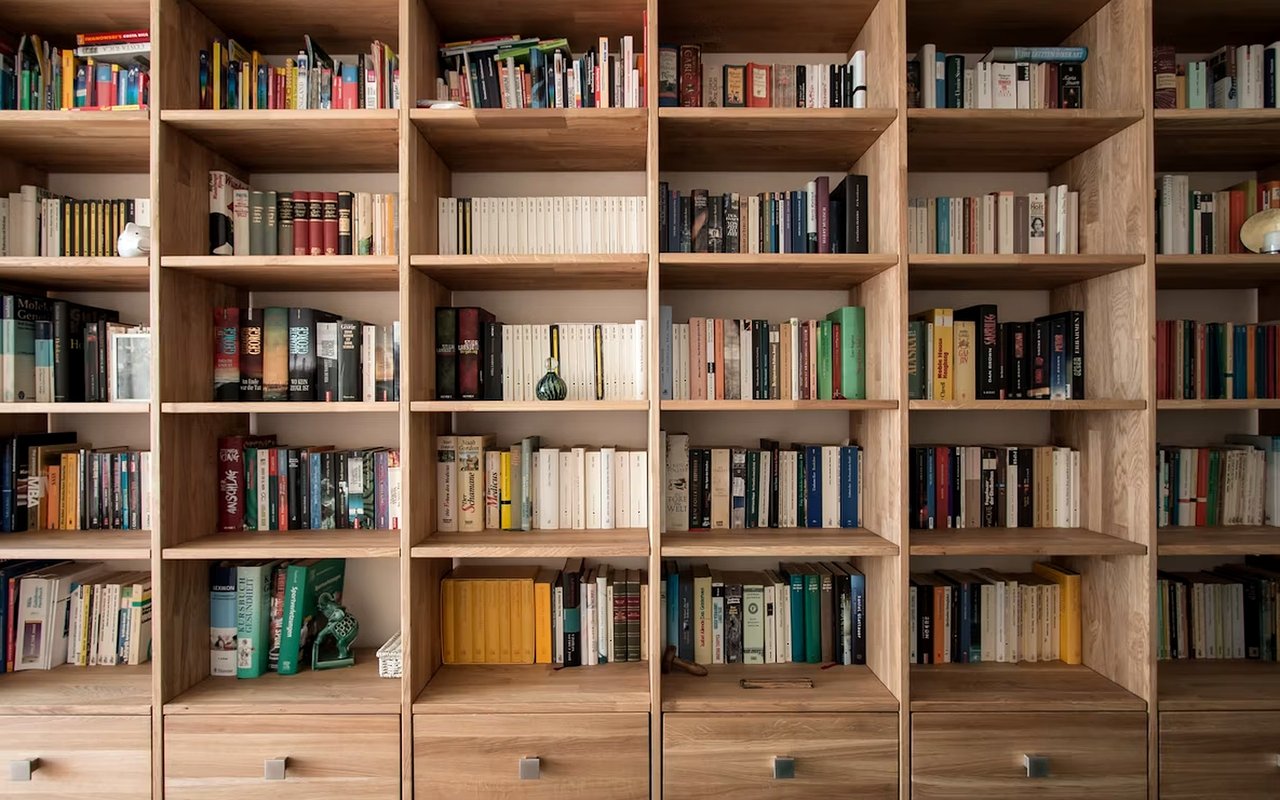
In many New York homes, especially apartments, floor space is limited but ceiling height often is not. Building up rather than out is one of the most effective ways to fit a real book collection into a smaller footprint, and it's a strategy we see work well in everything from prewar co-ops to newer construction.
Floor to ceiling shelving also tends to make a room feel larger, not smaller, since it draws the eye upward instead of crowding the floor. This is especially useful in a smaller apartment, where low or bulky furniture can make a room feel more cramped than it actually is.
Floor to ceiling shelving also tends to make a room feel larger, not smaller, since it draws the eye upward instead of crowding the floor. This is especially useful in a smaller apartment, where low or bulky furniture can make a room feel more cramped than it actually is.
Vertical Storage Ideas Worth Considering
- Floor to ceiling built-in shelving along a single wall
- A rolling ladder if your shelving extends higher than arm's reach
- Shelves that wrap around a doorway or window rather than stopping at the frame
- Floating shelves above furniture like a sofa or desk to add storage without taking up floor space
Choose Furniture That Works Double Duty
If you don't have room for a dedicated library, furniture that serves more than one purpose can help you build a collection without sacrificing living space. This is especially useful in co-ops and condos where every room already has a job to do, and where custom built-ins may require board approval before installation.
We often suggest clients start with one or two multi-purpose pieces before committing to a full built-in system, since it's easier to adjust as your collection grows. Starting small also gives you a better sense of how much shelving you'll actually need before you commit to anything permanent.
We often suggest clients start with one or two multi-purpose pieces before committing to a full built-in system, since it's easier to adjust as your collection grows. Starting small also gives you a better sense of how much shelving you'll actually need before you commit to anything permanent.
Furniture Worth Considering
- A window seat with built-in storage underneath for books
- A bookshelf that also functions as a room divider in an open floor plan
- A daybed or reading nook that doubles as a guest space
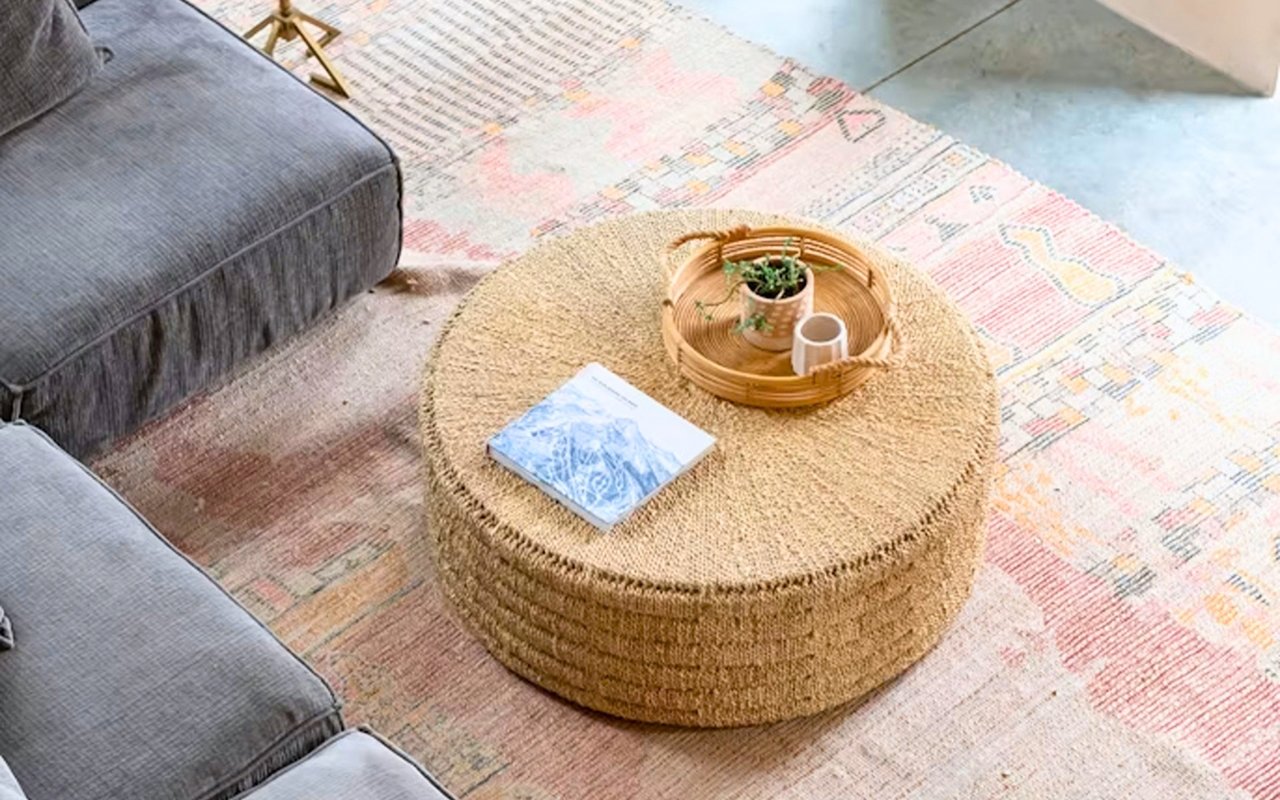
- Ottomans or benches with hidden storage for less frequently read titles
Curate What You Keep on Display
Not every book needs to live on an open shelf, especially in a smaller home where space is limited. Being selective about what stays visible can make a collection feel intentional rather than overwhelming, and it keeps the room from feeling like storage instead of a place to spend time.
We often suggest thinking of open shelving as a rotating display rather than permanent storage, which keeps the space feeling fresh without requiring more square footage.
We often suggest thinking of open shelving as a rotating display rather than permanent storage, which keeps the space feeling fresh without requiring more square footage.
Ways to Keep Your Collection Manageable
- Keep your most-used or favorite titles on the most accessible shelves
- Store less frequently read books in closed cabinets, under-bed storage, or a closet
- Group books by color, size, or subject to keep open shelving looking organized
- Reassess your collection every year or so, and pass along titles you no longer need
Get the Lighting and Seating Right
A home library is only as functional as it is comfortable, and lighting often gets overlooked in favor of shelving. Good task lighting makes a small reading corner feel intentional rather than like an afterthought, and it can be as simple as a single well-placed lamp.
Seating matters just as much. Even a single well-placed chair can turn a shelf of books into an actual room you want to spend time in, rather than just a spot to store what you own.
Seating matters just as much. Even a single well-placed chair can turn a shelf of books into an actual room you want to spend time in, rather than just a spot to store what you own.
What to Prioritize
- A reading lamp with adjustable brightness, positioned close to your seating
- Natural light where possible, balanced with UV protection for older or valuable books
- One comfortable chair or a small bench, rather than trying to fill the space with seating
- A side table or small surface for setting down a book, cup of coffee, or reading glasses
Protect Your Collection in an Older Building
Many New York homes, including prewar houses and older apartment buildings, come with humidity and temperature swings that can affect books over time. A few simple habits go a long way in protecting a collection you plan to keep for years, and most of them take only a few minutes to build into your routine.
This matters most for anyone with older or valuable editions, since paper is sensitive to both moisture and direct sunlight. Even everyday paperbacks last longer and stay in better condition when they're kept away from these conditions.
This matters most for anyone with older or valuable editions, since paper is sensitive to both moisture and direct sunlight. Even everyday paperbacks last longer and stay in better condition when they're kept away from these conditions.
Maintenance Habits Worth Adopting
- Keep shelving away from direct radiators, vents, or windows with strong afternoon sun
- Use a small dehumidifier in rooms prone to humidity, especially in basement or ground floor spaces
- Dust shelves and book edges regularly to prevent buildup that can attract pests
- Rotate or reorganize your collection occasionally, which also helps you notice any early signs of damage
Frequently Asked Questions
Do I need a full room to build a home library?
No, a home library can work in a hallway, a single wall, or even a corner of a living room. Vertical shelving and multi-purpose furniture make it possible to build a real collection without a dedicated room. Many of our clients start small and expand as their space or collection grows.
What's the best way to organize a home library in a small apartment?
Vertical shelving is usually the most space-efficient option, since it takes advantage of ceiling height rather than floor space. Furniture that does double duty, like a window seat or room divider, also helps you avoid dedicating an entire room to books. We recommend starting with one wall and building outward from there.
How do I protect my books in an older New York building?
Keep shelving away from radiators, vents, and direct sunlight, since both heat and UV light can damage paper over time. A small dehumidifier can help in rooms that are prone to humidity. Regular dusting and occasional reorganizing also help you catch any early signs of wear.
Contact Keller Williams NYC Today
Whether you're looking for a home with a dedicated library room or want to make the most of the space you already have, we can help you find a property that fits how you actually want to live. We work with clients across New York and understand how small design details, like where a home library might go, factor into a home search.
If you're thinking about buying or selling a home in New York, reach out to Keller Williams NYC and we'll help you find a space that works for you. We're always happy to talk through what matters most in your search, whether that's a reading nook, a full library room, or something in between.
If you're thinking about buying or selling a home in New York, reach out to Keller Williams NYC and we'll help you find a space that works for you. We're always happy to talk through what matters most in your search, whether that's a reading nook, a full library room, or something in between.