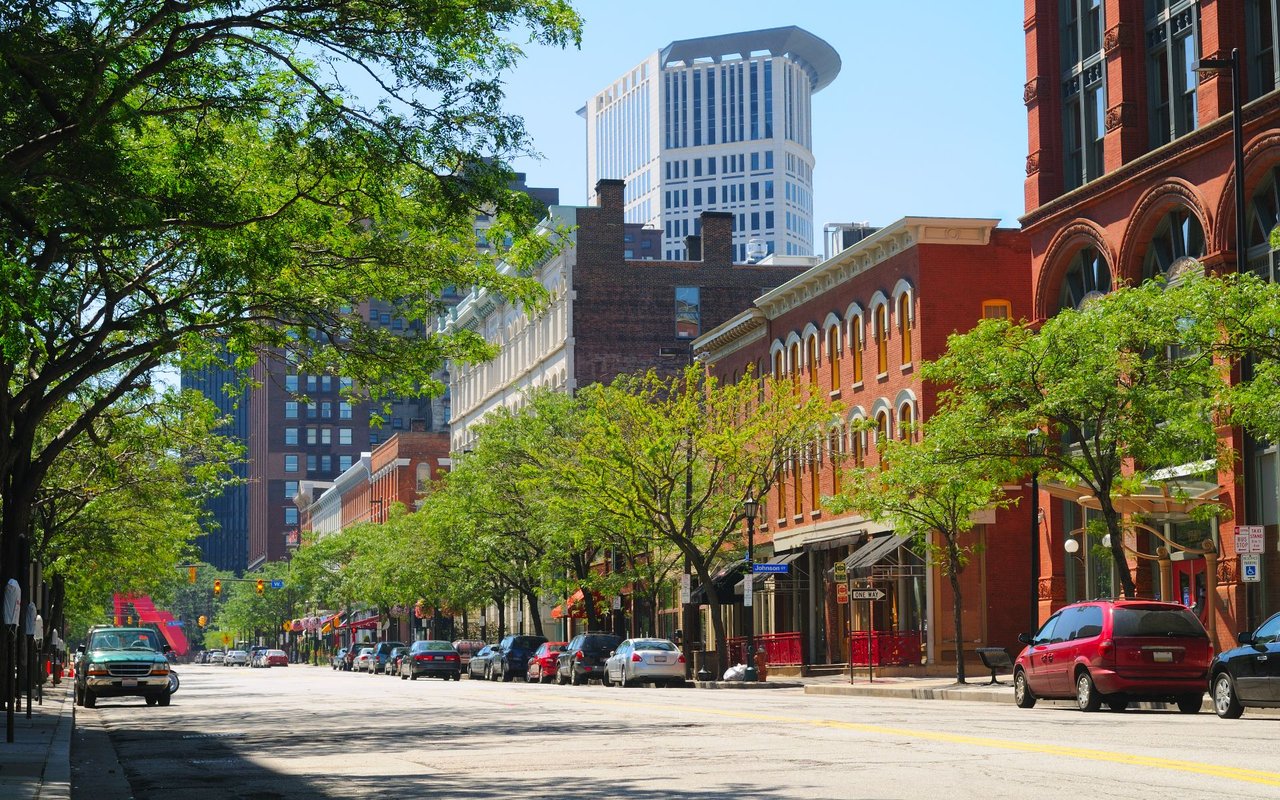
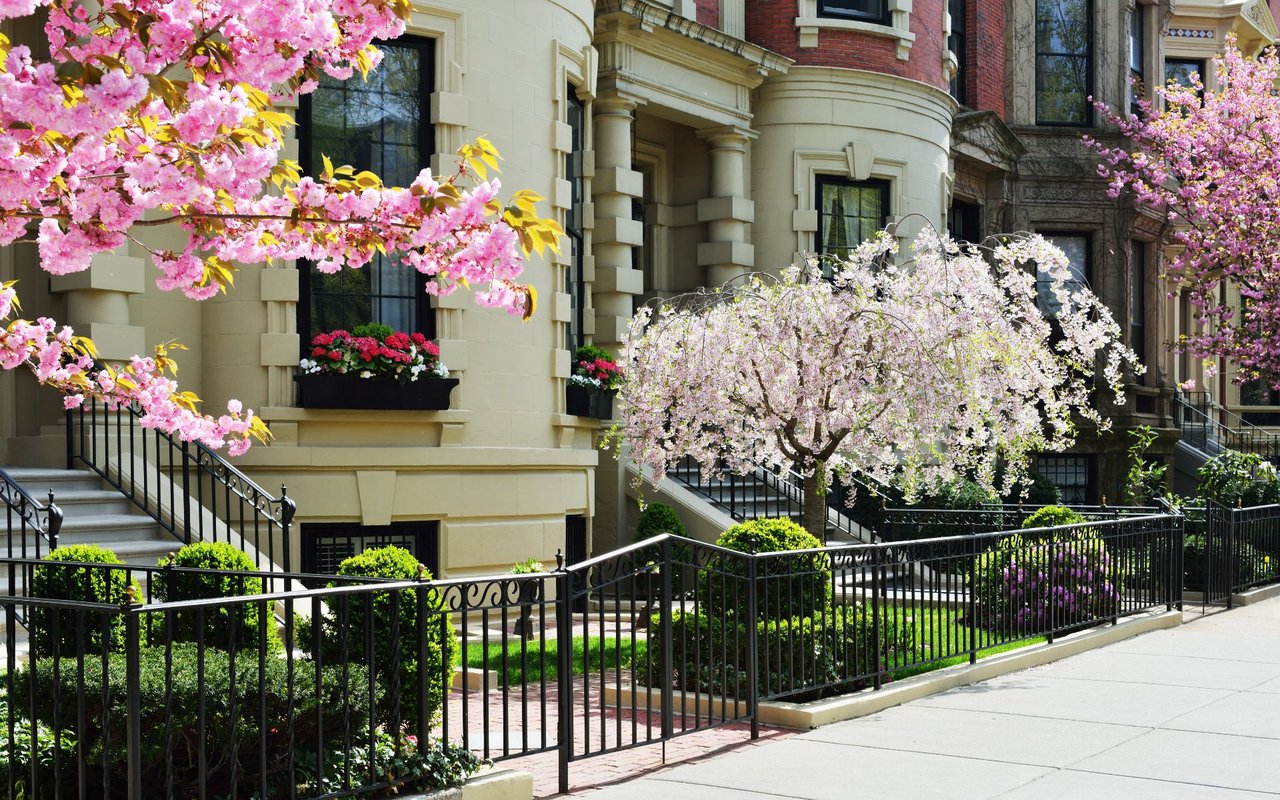
Search properties and homes for sale in New York City, known for its iconic skyline, cultural diversity, Broadway theater, finance hub (Wall Street), and landmarks like the Statue of Liberty and Times Square.
Housing Market in NYC
NYC's housing market in early 2026 shows price stability ($865K median, +1.4% YoY) but severely constrained activity (2,366 sales in Jan, -13% YoY). The 66-day median DOM and 98% sale-to-list ratio indicate a buyer-balanced environment—a notable shift from the post-pandemic frenzy. The "lock-in effect" from sub-4% mortgages is choking inventory, creating a low-volume stalemate despite stable pricing.
Competition has cooled significantly. Only 19-21% of homes sell above ask (down from ~24%), and the 98% sale-to-list ratio means buyers are negotiating 2% discounts on average. The 66-day DOM gives buyers leverage for inspections and negotiations. This is moderate competition—not aggressive, but not dead either. Manhattan remains its own beast with $1.1-1.2M medians and $1,600+/sqft condos, while outer boroughs like Queens offer entry points around $430K in areas like Bayside.
The citywide median masks extreme neighborhood divergence—Manhattan luxury vs. outer borough value plays. New developments in LIC and Gowanus are holding demand, but the overall inventory drought from rate-locked sellers is the defining constraint. The market is poised for a "spring thaw" if rates stabilize in low-6% range, potentially unlocking pent-up demand. Affordability remains the primary barrier for first-time buyers, especially given the -12.3% price-per-sqft drop suggesting larger homes or worse locations are moving while premium space holds value.
Buying or selling a home in New York City is unlike any other real estate market in the world. Whether you're navigating the high-stakes world of Manhattan condos or the historic brownstones of Brooklyn, success comes down to mastering the city's unique "rules of the game."
In NYC, what you buy is just as important as where you buy. Roughly 75% of the city's owned housing stock consists of Co-ops, which require a rigorous board interview and a "board package" that scrutinizes everything from your debt-to-income ratio to your personal references.
Insight: In 2026, boards are increasingly strict about post-closing liquidity—often requiring 24 months of carrying costs in the bank. If you want more flexibility to sublet or a faster closing, Condos are the better (albeit more expensive) choice. Co-op buyers should expect 3-6 month closing timelines versus 30-60 days for condos.
The most critical factor for both buyers and sellers right now is the Inventory Stalemate. Many sellers are holding onto sub-4% mortgage rates from years ago, leading to a severe shortage of mid-range listings. This "lock-in effect" has caused a 13% drop in transaction volume.
Insight for Sellers: Your well-priced home is a rare commodity in 2026. Properties that hit the market at realistic prices are selling within 66 days on average. Insight for Buyers: You must be ready to act the moment a listing hits the market. Waiting for a "better deal" in NYC often results in losing out to a more prepared buyer who can move quickly.
In a city that runs on the subway, property value is inextricably linked to the nearest station. A home's walkability score to major transit hubs often matters more than square footage.
Insight: We're seeing significant value lifts in neighborhoods near recent infrastructure improvements, like the Second Avenue Subway extensions or the L-train corridor in Brooklyn. A home 10 minutes closer to a major hub can command a 10% to 15% premium in resale value compared to one just a few blocks further. As remote work stabilizes, proximity to express trains (into Midtown and FiDi) is once again becoming a top priority.
As of early 2026, the median sale-to-list price ratio in NYC is holding steady around 98%, meaning buyers are successfully negotiating about 2% off asking prices.
Insight for Sellers: Overpricing your home "just to see what happens" is a dangerous strategy in NYC. If a property sits past 60 days, it becomes "stale," and buyers will expect deep discounts. Pricing strategically—often just slightly below a round number (like $899,000 instead of $925,000)—can trigger the competitive energy that leads to a sale above list price. Only 19-21% of homes are selling above ask in 2026, down from 24% previously, so accurate pricing is critical.
The "must-haves" have changed. In 2026, the most sought-after features are no longer just "location," but flexible space (for hybrid work) and private outdoor access. The pandemic permanently altered buyer priorities.
Insight: Buildings with high-speed fiber optics, dedicated "Zoom rooms," and rooftop terraces are moving significantly faster than traditional white-glove buildings that lack modern tech integration. Sellers should highlight even the smallest "nook" that can serve as a home office. Properties with private outdoor space—balconies, terraces, or backyards—are commanding premiums of 15-20% over comparable units without outdoor access.
In NYC, your mortgage is only half the story. Monthly maintenance (for co-ops) or common charges (for condos) can vary by thousands of dollars and dramatically affect affordability.
Insight: Always investigate "assessments"—temporary extra fees for building-wide repairs (like a new roof, elevator modernization, or facade work). A low asking price can sometimes hide a massive monthly assessment that makes the apartment unaffordable in the long run. Co-op maintenance typically ranges from $1-$2 per square foot per month, while condo common charges are usually lower but don't include property taxes (which are billed separately).
In NYC's current market, speed and preparedness separate successful buyers and sellers from those who miss out. With a 98% sale-to-list ratio and tight inventory, "window shoppers" rarely win.
For Buyers: This means having a Fully Underwritten Pre-Approval (not just a basic pre-qualification letter) and a real estate attorney ready to review a contract within 24 hours. Cash buyers or those with significant down payments (30%+) have a distinct advantage in competitive situations.
For Sellers: This means having your Certificate of Occupancy (C-of-O), building financials, and alteration agreements organized and ready for transparency on day one. Properties with clean documentation close faster and attract more serious buyers.
The NYC market moves fast, and the best opportunities never stay on the market for long. Whether you're looking for a private showing of a "coming soon" listing or need a custom valuation for your current home, we're here to help you navigate every step. Contact us today to schedule a private showing or request a detailed Comparative Market Analysis for your property.
Browse things to do, places to see, and landmarks to explore in New York, NY and nearby areas.

What to Look for in Open Houses in New York, NY, Before Making an Offer.
Read MORE
Essential Inspection Insights for Buyers Before Closing on a New York City Property.
Read MORE
The Essential Terms Every NYC Buyer and Seller Should Understand.
Read MORE
Smart Strategies Buyers and Sellers Use During New York City Real Estate Negotiations.
Read MORE