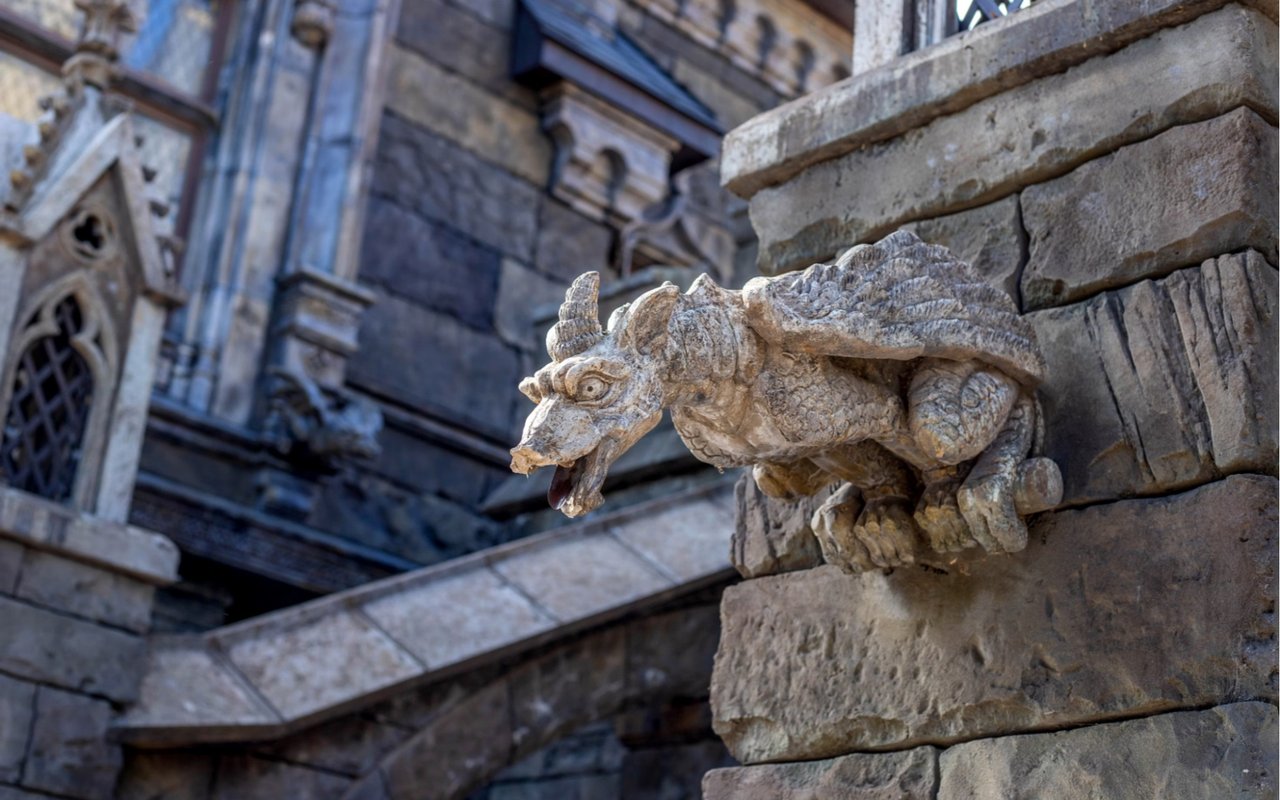
New York’s urban grid, air rights system, and constant demand for vertical space have led to innovation in both form and function. The city contains some one million buildings, including some of the tallest, oldest, and most influential structures in North America. Architectural styles range from early Federal townhouses and Beaux-Arts civic monuments to Art Deco skyscrapers and postmodern glass towers. Each borough contributes to this built environment, but Manhattan holds the highest concentration of historically and architecturally significant landmarks.
This guide highlights specific buildings that define New York NY architecture through their location, design features, and impact on the urban setting.
Grand Central Terminal
Grand Central Terminal opened in 1913 and remains one of Manhattan's most distinctive public buildings. The main concourse includes a vaulted ceiling painted with constellations, Tennessee marble flooring, and large arched windows that frame the space in daylight. Interior corridors include restaurants, markets, and retail shops. The exterior façade features sculptural stonework, including the famous clock and statue group known as the “Glory of Commerce.” The building’s integration into midtown Manhattan makes it both a transit center and a local destination.
The Chrysler Building
Completed in 1930, the Chrysler Building is a hallmark of Art Deco design. Architect William Van Alen designed the structure with a strong vertical emphasis, including a terraced crown made of stainless steel and triangular windows that taper toward a narrow spire. The building reaches 1,046 feet and was briefly the tallest in the world before being surpassed by the Empire State Building. Its profile remains one of the most recognizable elements of the New York City skyline.
The Flatiron Building
The Flatiron Building was completed in 1902 and designed by Daniel Burnham. It rises 22 stories and is shaped like a narrow triangle to accommodate the lot formed by the angled street layout. The building’s limestone and terra-cotta façade follows a Renaissance Revival style, with column-like vertical divisions and detailed cornices. The building’s narrow tip creates one of the most photographed angles in the city. It demonstrates how early steel-frame construction allowed creative building shapes that fit New York’s irregular grid.
The Woolworth Building
Designed by Cass Gilbert and completed in 1913, the Woolworth Building stands at 792 feet and was known as the “Cathedral of Commerce” due to its neo-Gothic design and scale. It features limestone cladding, ornate spires, and a lobby decorated with mosaics, sculptures, and stained glass. The building was one of the first skyscrapers to use Gothic Revival elements in a steel-framed structure. The tower was the tallest in the world when it opened and set a standard for how office buildings could become architectural statements. Residential units now occupy upper floors, while the lower levels remain used for commercial purposes.
The United Nations Headquarters
The United Nations Headquarters is located along the East River. It was designed in the late 1940s by a multinational team of architects, including Le Corbusier and Oscar Niemeyer. The complex includes the Secretariat Building, General Assembly Hall, and Conference Building. The Secretariat’s narrow glass façade and slab shape stood out at the time for its modernism and break from ornamented tradition. The layout includes landscaped plazas and flags from member countries. The architectural approach emphasizes transparency, order, and neutrality, which aligns with the institution’s purpose.
The Metropolitan Museum of Art
Located along Fifth Avenue, the Metropolitan Museum of Art spans multiple wings and design styles. The original building opened in 1880 and was designed by Calvert Vaux and Jacob Wrey Mould. Later additions, including the Beaux-Arts façade by Richard Morris Hunt, created the formal front steps and colonnade visible today. The building includes a mix of Romanesque, Beaux-Arts, and modern construction elements. Each section of the museum reflects its period of expansion and the type of art it holds. The Temple of Dendur installation and the rooftop sculpture garden highlight how the building adapts to its collection.
One World Trade Center
Completed in 2014, One World Trade Center stands at 1,776 feet and is the primary building in the rebuilt World Trade Center complex. The tower was designed by David Childs of Skidmore, Owings & Merrill and uses a faceted glass structure that tapers toward the spire. The base includes blast-resistant features, while upper floors include offices and an observation deck. The building symbolizes post-2001 redevelopment; its plaza includes memorial fountains that trace the original footprints of the Twin Towers, while the surrounding complex includes new buildings with coordinated materials and public space.
The New York Public Library Main Branch
The main branch of the New York Public Library, also known as the Stephen A. Schwarzman Building, features a marble Beaux-Arts façade with a grand staircase, Corinthian columns, and large arched windows. Inside, rooms such as the Rose Main Reading Room span city blocks and include vaulted ceilings, chandeliers, and oak tables. The two stone lions, Patience and Fortitude, frame the building’s front steps and are among the most recognized public sculptures in the city.
Additional Unique Examples of New York City Architecture
The Eldorado
Designed by Emery Roth and completed in 1931, this twin-towered Art Deco residential building stands along Central Park West. Its distinctive setbacks and sculptural detailing reflect the zoning-influenced style of the period.
Hearst Tower
This building combines a landmark 1928 cast-stone base by Joseph Urban with a modern glass and steel tower by architect Norman Foster, completed in 2006. It was the first LEED Gold-certified office building in New York City and is known for its diagrid structural system and energy-efficient design.
TWA Flight Center at JFK Airport
Designed by Eero Saarinen and opened in 1962, the TWA terminal is a celebrated example of mid-century modernism and expressive concrete design. Its sweeping curves and central flight tubes were restored and integrated into the TWA Hotel, which reopened in 2019.
Schermerhorn Row
Dating back to the early 19th century, this row of counting houses preserves one of the city’s last examples of Federal-style commercial architecture. The brick façades and pitched roofs contrast with the nearby glass towers of the Financial District.
American Radiator Building
Designed by Raymond Hood and completed in 1924, this building features black brick with gold accents and Gothic-inspired setbacks. The color scheme symbolizes coal and fire, reflecting the original client’s business.
Socrates Sculpture Park
While not a building, this outdoor space showcases adaptive reuse and architectural installations in a waterfront setting. The site regularly hosts experimental structures, temporary pavilions, and design-forward landscapes that add to the city’s evolving built environment.
Jefferson Market Library
Originally a courthouse built in 1877, this Victorian Gothic structure features a clock tower, stained glass, and polychromatic stonework. After being saved from demolition, it was converted into a public library in the 1960s and now stands as one of Greenwich Village’s most beloved landmarks.
These buildings and spaces highlight how New York’s architectural identity is shaped not only by its skyline but also by adaptive reuse, detailed ornamentation, and constant innovation at every scale.
These buildings and spaces highlight how New York’s architectural identity is shaped not only by its skyline but also by adaptive reuse, detailed ornamentation, and constant innovation at every scale.
Start Your Journey to NYC Real Estate Here
If you plan to buy or sell property in New York City, working with Keller Williams NYC gives you direct access to one of the most trusted and widely respected names in real estate. With nearly 200,000 agents globally and a reputation built on innovation, education, and service, Keller Williams leads the industry in market reach and performance. Their presence in New York City combines deep local expertise with the resources of a global powerhouse — giving you the tools, insights, and representation needed to succeed in today’s market.
Reach out to Keller Williams NYC for insightful guidance as you explore your real estate options in New York City.
Reach out to Keller Williams NYC for insightful guidance as you explore your real estate options in New York City.